The opening tax
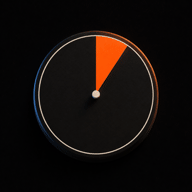
A buy tax that starts at 98% at the bell and falls to zero over thirty seconds, at every open.
The opening tax is what makes the schedule fair. Without it, the first block after the bell would go to whoever runs the fastest bot. With it, the first seconds are a trap.
How it decays
At the instant a session opens, every buy pays a tax of 98%. The tax falls in a straight line to 0% thirty seconds later.
tax = 98% × (30 − seconds since open) / 30      while seconds since open < 30
tax = 0% afterwards| Seconds after the bell | Tax on a buy |
|---|---|
| 0 | 98% |
| 5 | 81.7% |
| 15 | 49% |
| 25 | 16.3% |
| 30 and later | 0% |
Sells are never taxed by the opening tax.
When it applies
At every open. That means the morning bell, the afternoon reopening after lunch in Hong Kong and Tokyo, and the moment a coin is created if the market is already open. It applies on the bonding curve and, after graduation, inside the Uniswap v4 pool through the hook.
Where the tax goes
Tax proceeds are not burned. They join the trading fee pot and split the same way: 70% to the coin's creator, 30% to the protocol. A sniper who buys at the bell is paying the creator.
Who is exempt
The creator, the fee wallet named at creation, and up to five extra wallets the creator lists at creation are exempt from the opening tax. That list is fixed forever and is shown on every coin's page. Exemption only works through the Lunch Break contracts. A swap sent through some other router pays the tax regardless of who sends it, because the hook cannot see who is behind another router.
Launching mid-session
If you create a coin while its exchange is open, the tax window starts at creation, and you as the creator are exempt from it. That is the basis of the launch buy.
If you would rather nobody trades until the next bell, including you, switch on the delayed start. Then the coin's first tax window begins at the next opening bell, and everyone starts together.
Why this kills sniping
A bot that buys in the first second pays 98% of its ETH as tax and receives almost nothing. Waiting thirty seconds costs nothing but removes the bot's only advantage, which is speed. The people who do best at the bell are the ones who wait, and the creator, who collects the tax from anyone who does not.